Engineering Sustainable Value From Industrial Resources
VIIS recovers metals and minerals from industrial residues, by-products and waste streams — combining metallurgical test work, process modelling and plant-level engineering to prove a route before it is scaled.
Integrated Metallurgy
Pyrometallurgy, hydrometallurgy and mineral processing considered together rather than in isolation.
Test Work & Validation
Bench and pilot programmes that prove a route before any capital is committed to it.
Process Modelling
FactSage, HSC, STAR-CCM+ and MATLAB applied to balances, simulation and scenario comparison.
Based in Gauteng
Krugersdorp-based, working with South African industry on material that is already on the ground.
Four ways we engage
Engagements typically begin at one of these points and progress as the technical picture firms up.
Recovery & Beneficiation
Recovering valuable metals and minerals from residues and metallurgical by-products.
Learn MoreProcess Development
Flowsheet development, optimisation and integrated recovery routes.
Learn MoreValidation & Test Work
Bench-scale and pilot-scale metallurgical test work and validation.
Learn MoreEngineering Advisory
Technical advisory, plant support and process improvement.
Learn More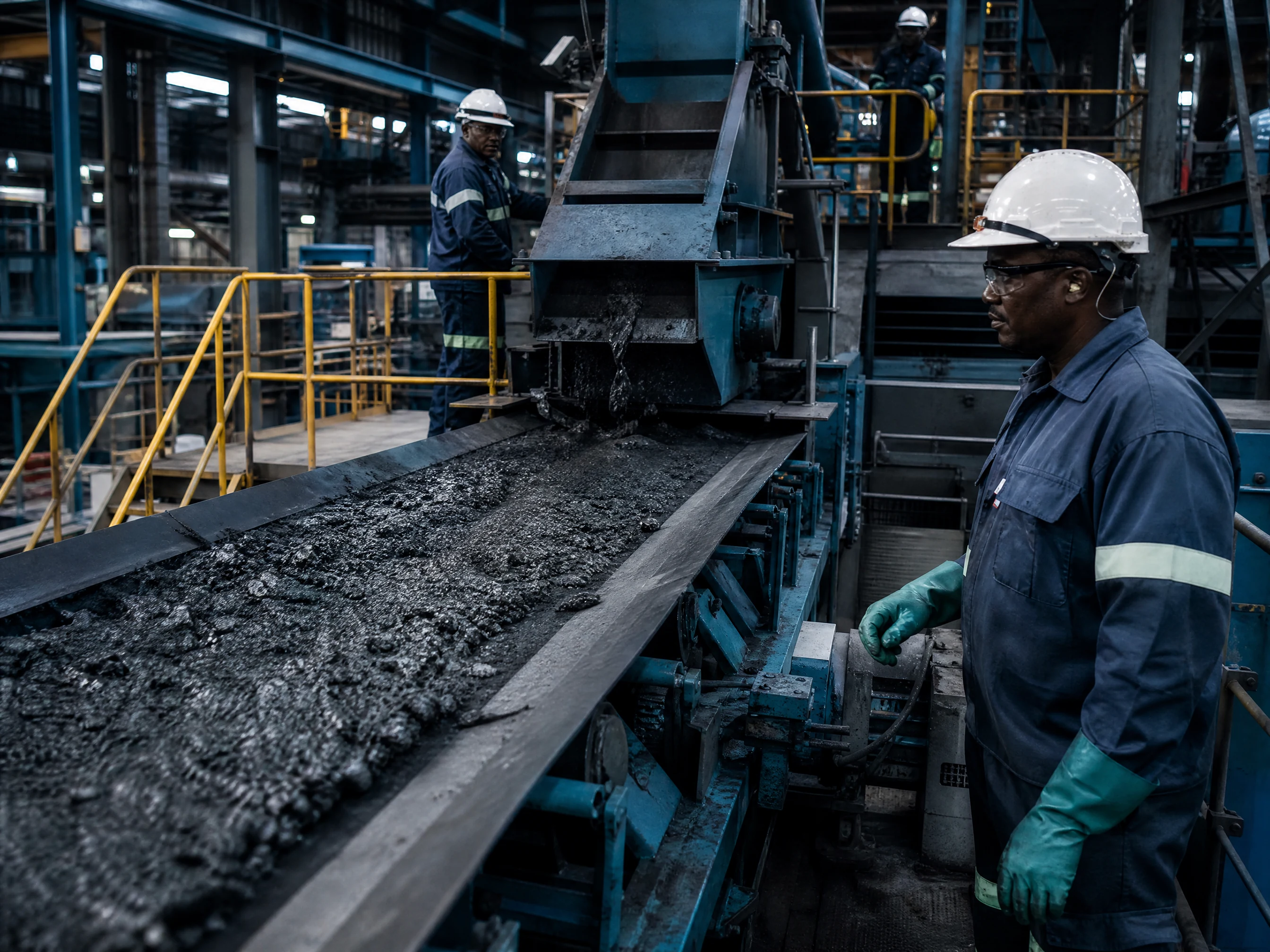
Material that was written off is often a feed stream
Slags, tailings, ferroalloy residues and fine mineral fractions accumulate across South African industry because the economics or the flowsheet never justified recovering them. Feed characteristics change, technology moves, and material that was uneconomic becomes viable.
VIIS works from the material outward. We characterise what is actually in the stream, define a recoverable target, and develop a route that can be tested at bench scale, modelled, validated and then engineered for implementation.
- Representative sampling and material characterisation
- Flowsheet definition against a defined recovery target
- Bench and pilot validation before capital commitment
What does VIIS do?
VIIS is a South African metallurgical engineering company that develops and validates processes for recovering metals and minerals from industrial residues, by-products and waste streams. The work applies wherever a producer holds material with residual value — smelter slags, ferroalloy residues, tailings dams and fine fractions — and lacks a proven route to recover it.
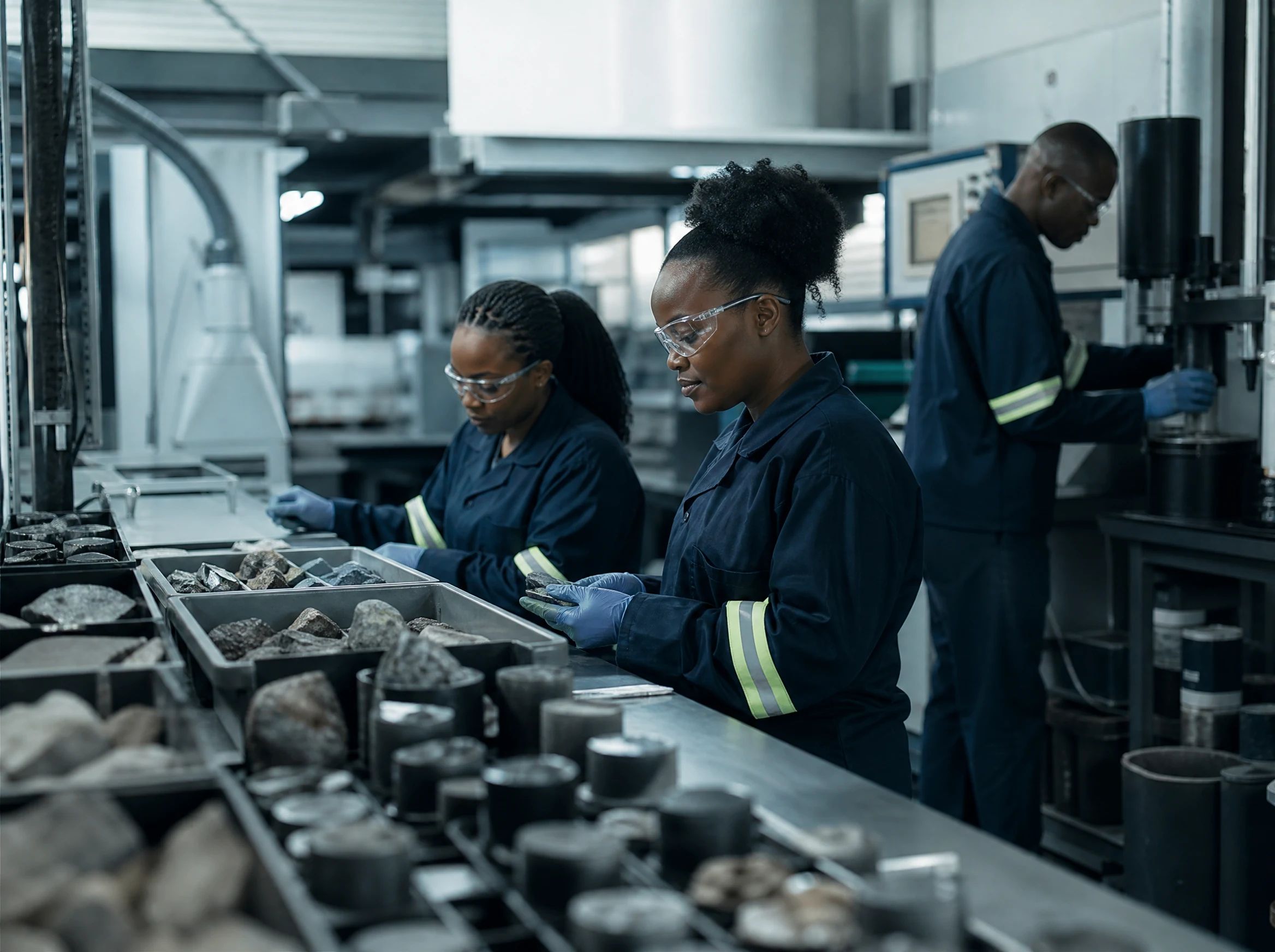
Our approach is sequential: characterise the material, define the target product, develop a candidate flowsheet, test it at bench scale, model the mass and energy balance, and validate at pilot scale where the risk warrants it. Nothing is recommended for scale-up until the test work supports it.
The disciplines behind the flowsheet
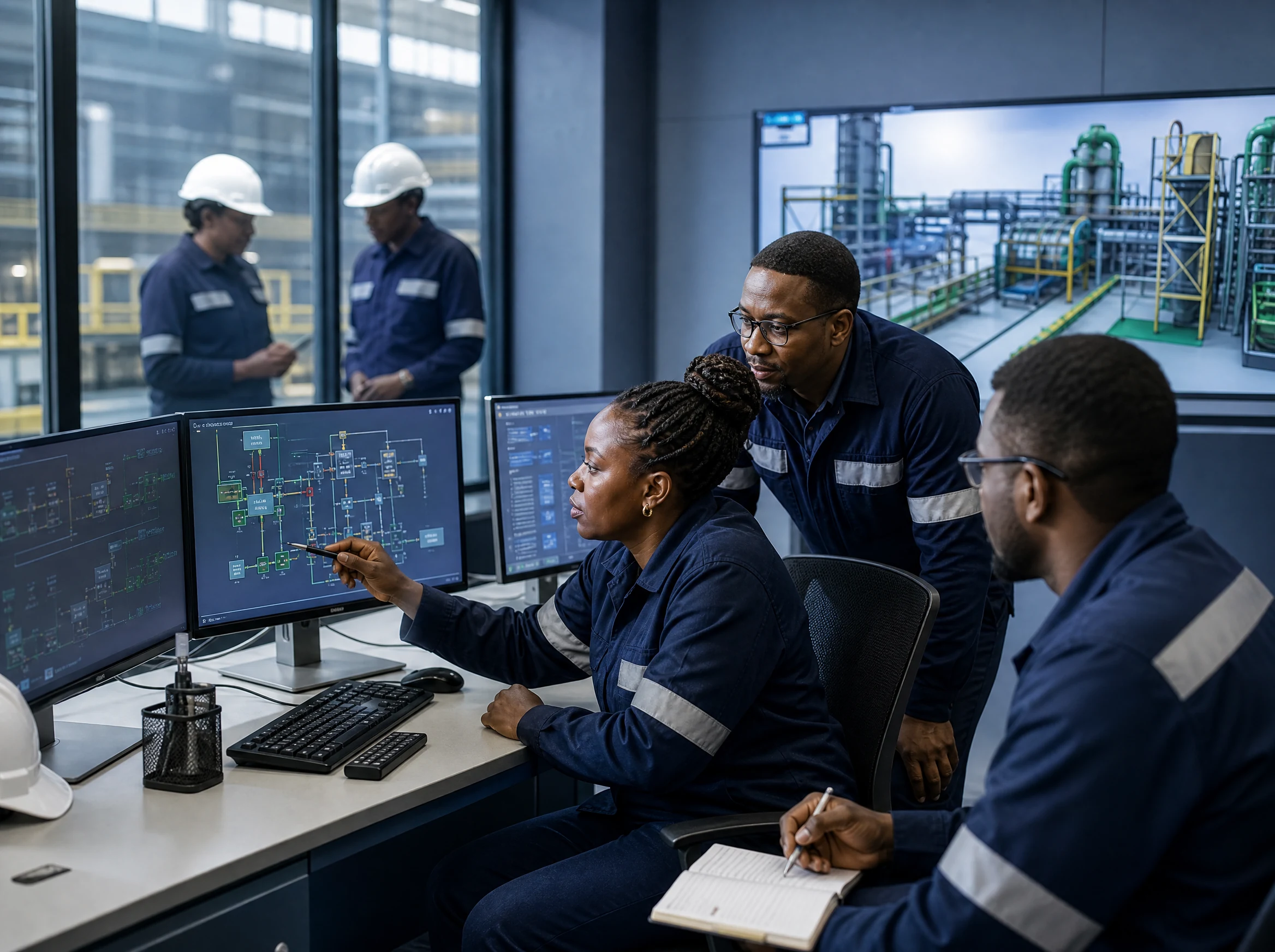
Recovery routes rarely sit in one discipline. Most combine thermal and aqueous processing with the modelling needed to size and balance them.
Pyrometallurgy
Smelting and high-temperature processing, furnace-related process engineering and thermal recovery routes.
Hydrometallurgy
Leaching, solution purification and aqueous recovery, developed and confirmed through controlled test work.
Process Modelling
Simulation, mass and energy balances and scenario comparison to size equipment and test assumptions.
Plant Engineering
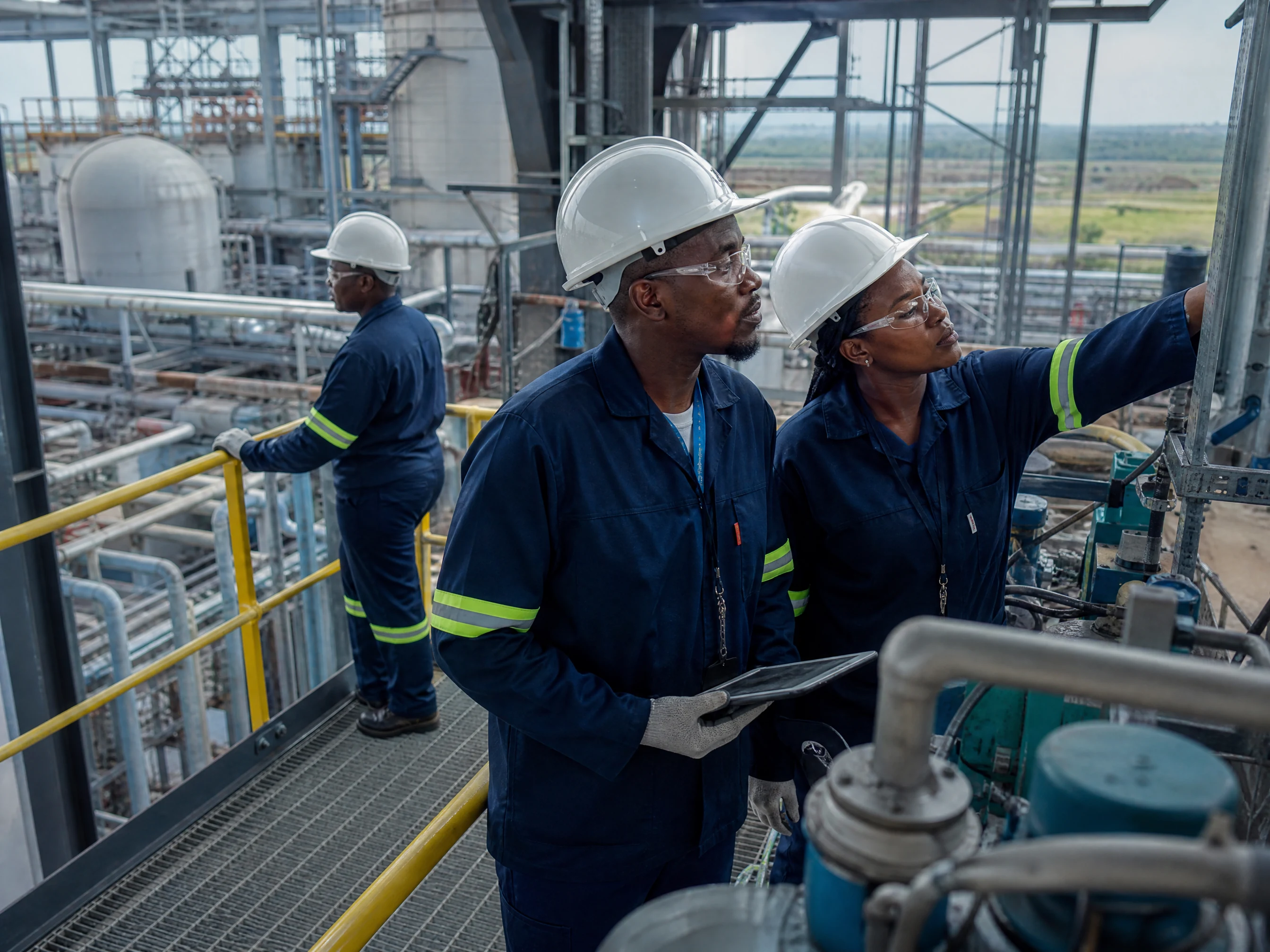
Practical support across process plants — from walkdowns and debottlenecking to implementation support.
The streams we work with
Each material behaves differently, and the recovery route follows from what characterisation shows — not from a standard template.
Separation and recovery
technologies we apply
Technology selection is driven by liberation, particle size, density contrast and mineralogy — established through test work rather than assumed up front.
Gravity Separation
Conventional and enhanced gravity separation where density contrast supports recovery.
Dense Medium Separation
DMS for coarse pre-concentration and early rejection of barren material.
Flotation
Surface-chemistry-based separation for finer fractions and complex mineralogy.
Magnetic Separation
Magnetic and electromagnetic separation across a range of intensities.
Pre-Reduction
Thermal pre-treatment to change phase behaviour ahead of downstream recovery.
Integrated Routes
Combined circuits where no single technology carries the full recovery duty.
Recovery is a resource-efficiency outcome
Every tonne recovered from an existing residue is a tonne that does not need to be mined, and a tonne that does not remain on surface as a liability. The commercial case and the environmental case point the same way.
- Resource efficiency and improved value recovery
- Waste minimisation through recovery and beneficiation
- Evaluation of lower-carbon and renewable-energy pathways
Technical validation before scale-up
Recovery projects fail on unproven assumptions far more often than on unavailable technology.
Evidence Before Capital
Routes are confirmed through bench and pilot test work before scale-up is recommended.
Integrated Metallurgy
Pyrometallurgy, hydrometallurgy and mineral processing considered together, not in isolation.
Engineering Support
Involvement continues past the report into implementation and plant-level support.
Commercial Awareness
Product specification and offtake realities inform the flowsheet from the start.
Frequently asked
A representative sample and whatever context you already hold — how the material was generated, the current process, and any historical assays. Representativeness matters more than sample size; a large but unrepresentative sample produces misleading test work.
Yes. Tailings, slag dumps and legacy residue stockpiles are a core focus. These streams often carry recoverable value that was not economic to extract under the original flowsheet or metal price.
Yes. Engineering advisory covers plant walkdowns, process reviews, mass and energy balance verification, debottlenecking and process improvement on operating facilities.
When bench-scale results are promising but scale-dependent behaviour carries real risk — recycle loads, settling and dewatering behaviour, reagent consumption in a closed circuit, or thermal profiles. Piloting is a risk-reduction decision, sized to the exposure.
Discuss your material or process challenge
If you hold a residue stream, by-product, tailings resource or slag with possible recoverable value — or a process that is not performing as designed — we are interested in the technical detail.